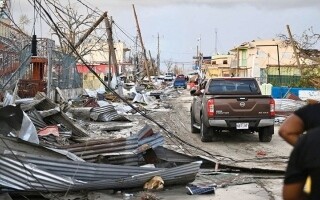
The Jamaican government is accelerating recovery efforts following Hurricane Melissa, which struck the country in October 2025. The hurricane caused significant damage, destroying or damaging over 150,000 homes. Thousands of people still lack safe shelter and basic supplies. The Jamaican government has launched a program to rebuild homes for affected families, allocating approximately 8.25 billion dollars for this purpose. An additional 3 billion dollars are expected to support around 14,000 new beneficiaries. Despite these efforts, many residents still live without roofs over their heads and await compensation payments. The compensation process is slow, forcing victims to wait extended periods. Environment Minister Matthew Samuda emphasized that Jamaica unfairly bears the brunt of climate change, which is a primary cause of the increased intensity and frequency of hurricanes like Melissa. He also criticized international financing mechanisms, such as the Green Climate Fund and the Loss and Damage Fund, highlighting the vast gap between the scale of the damage and available funding. In response to growing concerns, Jamaica's Ministry of Justice stated that the allocated funds have not been exhausted and that the pace of compensation is accelerating as the program expands. The Jamaican diaspora, particularly in the United Kingdom, is actively raising funds and organizing aid. British artisans, including builders and plumbers, are being called upon to travel to Jamaica to assist in rebuilding areas such as Westmoreland and St. Elizabeth. Despite international aid, many residents, like Karen Salmon from Santa Cruz, remain in despair, unsure when they can return to their devastated homes. They hope that the world's attention to their plight will not fade as media coverage diminishes.